

Croatia Coastal Itinerary 2026: The Best of the Croatian Coast in 7 Stunning Days
A deep, practical, and experience-driven guide to planning one unforgettable week across Rovinj, Pula, Split, Korčula, and Dubrovnik.
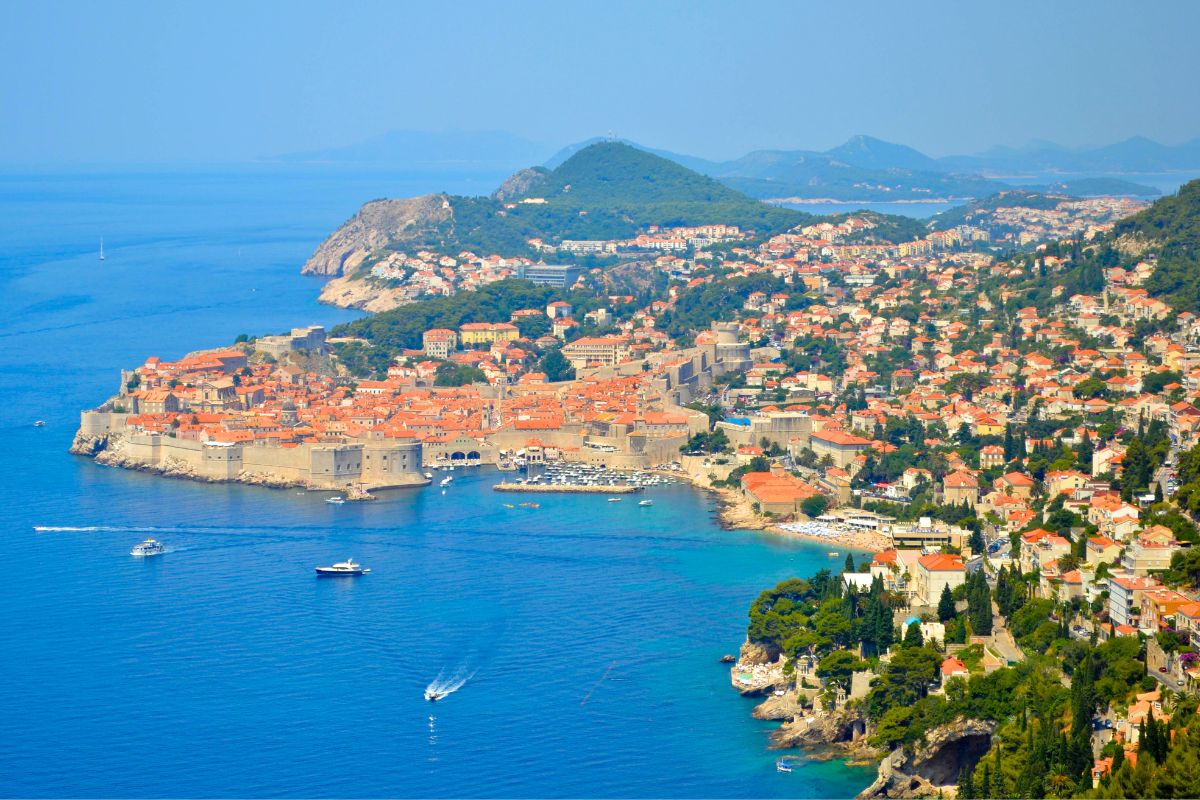
Table of Contents
- Why the Croatian Coast Feels So Special
- Who This 7-Day Itinerary Is Best For
- Quick 7-Day Croatia Coast Overview
- Best Time to Visit the Croatian Coast
- What to Know Before You Go
- Day 1: Arrive in Rovinj
- Day 2: Pula and the Istrian Transition South
- Day 3: Split and the Dalmatian Rhythm
- Day 4: Island Time in Korčula
- Day 5: Korčula to Dubrovnik
- Day 6: A Full Day in Dubrovnik
- Day 7: Final Day Strategy and Departure Options
- Budget Planning Tips
- Mistakes to Avoid
- Alternative Itinerary Options
- What to Pack
- Experience-Based Travel Advice
- FAQ
- Final Thoughts
Why the Croatian Coast Feels So Special
Some destinations impress you because they are famous. Others stay with you because the feeling of being there is impossible to shake off long after you return home. The Croatian coast belongs to the second category. It is not just a place of pretty water, old stone streets, and postcard sunsets. It is a route where every stop shifts your mood a little. One town feels Venetian and romantic. Another feels proudly Roman and historic. Another feels polished yet relaxed. Then suddenly you are on an island, slowing down in a way that makes your whole trip feel different. And finally, you reach Dubrovnik, where the drama of the sea, the walls, and the old city combine into something unforgettable.
What makes Croatia especially rewarding is the contrast packed into a relatively manageable journey. In one week, you can go from colorful harbor scenes in Istria to grand old ruins, then to busy Dalmatian waterfront life, then to island calm, and then to one of the most visually striking walled cities in Europe. That variety is what keeps the trip from feeling repetitive. Even when the architecture shares some common Mediterranean DNA, the atmosphere changes from stop to stop.
Another reason travelers fall hard for the Croatian coast is that it rewards both planners and wanderers. You can map everything in advance and still find magic in the unplanned parts: a quiet alley in Rovinj, a perfect café break in Split, a breeze on the ferry to Korčula, or the first moment you look down at Dubrovnik’s terracotta roofs and realize the city really is as beautiful as people say.
This guide is built for travelers who want more than a quick summary. It is not just a list of places. It is a carefully upgraded, experience-style article designed to help you understand how the route feels, how to pace it, where people often make mistakes, and how to turn a beautiful Croatia trip into a truly memorable one.
Who This 7-Day Itinerary Is Best For
This itinerary is ideal for travelers who want a rich first taste of Croatia without trying to “see everything.” That kind of approach sounds productive on paper, but on the ground it often becomes tiring, expensive, and emotionally flat. You spend too much time moving and not enough time actually absorbing a place.
If you only have one week, the smarter strategy is to choose destinations that complement each other and create a strong sense of progression. That is what this route does. It starts in the north with Istrian charm, moves into the heart of Dalmatian urban life, then eases into island beauty, and ends with Dubrovnik, which delivers the dramatic closing chapter many travelers want.
This guide works especially well for first-time Croatia visitors, couples planning a scenic Europe trip, travelers coming from nearby Italy or Central Europe, and those who want a balance of culture, views, food, and practical logistics. It is also a good match for people who love coastal travel but do not want a pure beach holiday. The sea is always part of the experience, but the trip is just as much about history, city texture, ferry rides, and everyday moments.
If your travel style is very slow and deeply immersive, you might prefer to cut two stops and stay longer in fewer places. If your style is fast and list-driven, you may be tempted to add Hvar, Zadar, or Plitvice Lakes. But be careful. One of the biggest mistakes travelers make in Croatia is underestimating how much energy transfers can take. Ferries, buses, check-ins, and the simple act of moving luggage in old towns all eat up more time than people expect.
So who is this guide for, really? It is for the traveler who wants a beautiful week with enough variety to feel exciting, but enough breathing room to still enjoy the trip.
Quick 7-Day Croatia Coast Overview
| Day | Base | Main Focus | Travel Mood |
|---|---|---|---|
| Day 1 | Rovinj | Arrival, harbor walk, slow old town introduction | Ease into Croatia gently |
| Day 2 | Pula / Transit South | Roman arena, Istrian coastline, move toward Dalmatia | Historic and scenic |
| Day 3 | Split | Diocletian’s Palace, promenade, city energy | Lively and urban |
| Day 4 | Korčula | Ferry day, medieval island atmosphere, waterfront dining | Relaxed and romantic |
| Day 5 | Dubrovnik | Island departure, arrival in Dubrovnik, sunset views | Anticipation and drama |
| Day 6 | Dubrovnik | Walls, old town, viewpoint, sea-facing strolls | Iconic finale |
| Day 7 | Dubrovnik / Departure | Flexible closing half-day or smart departure plan | Reflective and practical |
At first glance, seven days may not sound like enough for a route this beautiful. In a perfect world, two full weeks would be even better. But with smart pacing, this week-long route still works remarkably well. The key is not to treat every stop equally. Some places are the main emotional pillars of the trip, while others serve as transition chapters that enrich the route without demanding several nights.
Rovinj gives the trip a graceful opening. Split changes the tempo and gives you the energy of a larger Dalmatian city. Korčula brings intimacy and island charm. Dubrovnik provides the grand closing scene. Pula is less about staying long and more about layering the route with Roman history and Istrian context. That balance is what makes the itinerary satisfying.
Best Time to Visit the Croatian Coast
If you are choosing dates carefully, shoulder season is often the sweet spot. Late spring and early autumn usually offer the best balance of weather, sea views, manageable crowds, and enjoyable walking conditions. Summer is dazzling, but it is also the season when ferry demand rises, hotel prices climb, and famous places can feel more packed than peaceful.
That does not mean summer is a bad time to go. For many travelers, that bright, hot, high-energy Mediterranean feeling is part of the dream. The sea is at its most inviting, outdoor dining feels magical, and the coast comes alive. But you need to plan with realistic expectations. In peak season, “beautiful” and “crowded” often arrive together. You are not failing at travel if a famous viewpoint is busy. You are just experiencing what happens when a highly desirable place meets high season.
Spring and early fall, on the other hand, often give you more room to breathe. The light is still beautiful, the towns remain active, and walking old stone streets is far more pleasant than in the hottest weeks. If you are the type of traveler who values atmosphere over nightlife and long scenic walks over pure beach time, shoulder season may actually be better for you than mid-summer.
- Best overall balance: May, June, September
- Best for swimming and full summer energy: July to early September
- Best for lower stress and better pacing: Late spring or early autumn
One thing many travelers underestimate is the emotional effect of heat on a sightseeing-heavy route. Croatia is not only about beaches. You will walk old towns, climb steps, drag luggage over stone lanes, and possibly wait for ferries under direct sun. Slightly cooler weather can make the exact same itinerary feel far more enjoyable.
What to Know Before You Go
1. Croatia looks simple on the map, but movement still takes effort
This is one of the most important mindset shifts to make before you go. Distances may seem reasonable, yet a route with several coastal stops still requires discipline. Transfers are rarely just about hours on paper. There is packing, checking out, reaching the station or port, boarding, arriving, finding your lodging, and resetting yourself in a new place.
2. You do not need to overpack for style
The Croatian coast photographs beautifully, and yes, you will want nice pictures. But this is not the kind of trip where heavy luggage improves your experience. Old towns, ferry movement, and stair-heavy accommodations reward lighter packing. Stylish but easy-to-repeat pieces win every time.
3. Book the essentials early
For this route, the non-negotiables are accommodation in popular stops and any ferry segments that could affect your schedule. Waiting too long may force you into weaker departure times, more expensive rooms, or awkward location compromises.
4. Accept that not every hour needs to be “productive”
A beautiful coastal trip becomes stressful when every morning, lunch, afternoon, and evening is assigned a goal. Build room for slow breakfasts, one extra harbor walk, a longer lunch, or an unplanned swim break. That is not wasted time. That is how a trip becomes memorable instead of mechanical.
5. Old towns are beautiful because they are old
This sounds obvious, but it matters practically. Expect stone steps, narrow lanes, uneven surfaces, and occasional inconvenience. The very charm you came for is the same reason rolling a heavy suitcase can become annoying fast. Choose luggage that fits the trip, not just the airport.
 Rovinj offers one of the most charming and photogenic introductions to coastal Croatia.
Day 1: Arrive in Rovinj
There are few better places to begin this route than Rovinj. It has the romance of an old harbor town, a slightly Italian mood, and a visual warmth that immediately tells you your Croatia trip has truly started. This is not a place you should attack with a rigid checklist. Day one in Rovinj should feel gentle. The goal is not to “conquer” the town. The goal is to settle into the journey.
When you first arrive, do the practical things well. Drop your bags. Get hydrated. Resist the urge to over-schedule your first afternoon. Travel fatigue has a way of flattening even beautiful places when you push too hard too soon. Instead, let Rovinj introduce itself slowly. Walk toward the harbor. Notice the pastel buildings and fishing boats. Watch how light hits the water. Let yourself take the long way through the old town.
Rovinj is one of those places where being present matters more than covering ground. A narrow lane, a set of stone steps, or a quiet terrace can become the first emotional anchor of your trip. There is a softness to the place that works especially well on arrival day. It gives you beauty without demanding too much from you.
How to spend your first day well
- Take a slow harbor walk instead of rushing into museum mode.
- Climb gradually through the old town and enjoy the view changes.
- Have an early sunset dinner rather than a late, exhausting night.
- Use the evening to reset your body clock and prepare for the route ahead.
What makes Rovinj a strong starting point
Starting in Dubrovnik might sound tempting because it is the most famous stop. But beginning there can make the trip feel front-loaded, emotionally peaked too early, and logistically more intense from day one. Rovinj is different. It welcomes you in. It gives you the beauty without the immediate pressure. It sets the tone. And for many travelers, that softer start leads to a better trip overall.
Experience-based advice
If you arrive tired, do not judge the town too quickly. Some places reveal themselves gradually. Sit by the harbor, order something simple, and watch the evening happen. Often the first real “I’m so glad I came” moment in Croatia does not happen at a monument. It happens during that first unhurried walk when the trip finally shifts from planning mode into lived reality.
Day 2: Pula and the Istrian Transition South
Day two is where the route starts gaining structure. If Rovinj is about softness and arrival, Pula adds weight. The Roman arena gives the day a completely different feeling. Suddenly the coast is not only charming and scenic. It is historical on a grander scale. That contrast matters, because it keeps the trip from becoming visually one-note.
Pula works well as a focused stop rather than an overextended stay, especially on a one-week route. You are here to absorb the scale of the amphitheater, appreciate the Istrian layer of the journey, and then move with intention toward Dalmatia. This is the kind of day that can feel rushed if you do not keep your priorities clear. Pick the big thing. Enjoy it properly. Then continue south without the emotional pressure of trying to squeeze every possible attraction into one day.
The arena is the obvious highlight, and deservedly so. Even travelers who are not usually obsessed with ruins often feel impressed by its setting and preserved structure. It is one thing to hear that a Roman arena exists here. It is another thing entirely to stand inside it and realize how dramatically it still holds the space. The experience gives depth to the itinerary. It reminds you that this coast is not just about island fantasies and sea views. It is also about civilizations layered over centuries.
 Pula’s Roman arena adds a powerful historical layer to a week along the Croatian coast.
How to keep this day from becoming exhausting
The smartest move is to accept that this is partly a transfer day. You are not failing by treating it that way. In fact, understanding that reality is what makes the day better. See the arena well. Eat without rushing. Keep your bags manageable. Move south with enough energy left to still enjoy the evening wherever you overnight next.
Mistake to avoid
Do not try to force too many mini-stops between Rovinj, Pula, and your onward journey. This is one of those travel days that looks expandable in theory, but becomes draining in practice. The more often you interrupt the transition, the more fragmented the day feels. Better to do one or two things properly than to touch five things superficially.
The emotional role of Pula in the trip
Pula acts like a hinge between the northern and southern chapters of the itinerary. After this, the trip starts to feel more recognizably Dalmatian. That is why the day matters even if you do not spend multiple nights here. It is part of the narrative. It deepens the route before the coastline becomes increasingly cinematic and island-focused.
Day 3: Split and the Dalmatian Rhythm
By the time you reach Split, the trip changes pace. Split feels more energetic, more lived-in, and more visibly layered with urban life than Rovinj or Korčula. It is one of those cities where history is not locked away behind gates. It blends into the daily rhythm. Cafés, shops, alleys, and ancient stone coexist in a way that makes the city feel active rather than preserved.
This is why Split works so well in the middle of the itinerary. After the softer opening in Istria, Split wakes the trip up. The waterfront buzz, the palace area, the movement of locals and travelers, the ferries, the evening atmosphere—everything pushes the route forward. It gives you a stronger sense of Dalmatia as a living region, not just a collection of scenic old towns.
If it is your first time in Split, do not make the mistake of seeing it only as a transport hub. Yes, it is practical. Yes, many people pass through. But when you give Split real attention, it rewards you with a very different kind of Croatia experience. It is not delicate in the way Rovinj is. It is not serene in the way Korčula can be. It is bolder, warmer, and more kinetic.
What to focus on in Split
- The atmosphere in and around Diocletian’s Palace
- The seafront promenade, especially later in the day
- A meal that lets you slow down rather than just “fuel up” between ferries
- A balance between wandering and sitting still long enough to watch the city move
Why Split matters in a 7-day route
Some travelers ask whether they should skip Split to save time for more island days. That depends on style, but for many first-time visitors, Split is worth keeping. It gives context to the coast. It lets you feel the scale of Dalmatia beyond the island fantasy. It also helps the route build naturally toward Korčula and Dubrovnik instead of jumping from small-town charm straight into old-city grandeur.
Practical pacing advice
Do not overbook this day with too many historical “must-dos.” Split is best when you allow city life to do part of the work. One thoughtful afternoon and evening here can be more satisfying than a rushed checklist. Walk. Look up. Duck into side streets. Find one viewpoint, one good meal, one memorable pause. That is enough for the city to leave an impression.
A real-use itinerary approach
If you arrive by midday, spend the afternoon exploring the palace area and the waterfront, then save the evening for a proper dinner and a slower harbor-side stroll. If you have a full day, you can add a scenic rise above the city or an extra neighborhood wander. But even then, leave margins. Split has a way of becoming enjoyable when you stop trying to prove you used every minute.
Day 4: Island Time in Korčula
Then comes Korčula, and the whole journey exhales.
This is where the itinerary shifts from scenic coastal progression into something more intimate. Ferry arrivals always carry a little emotional power, but arriving somewhere like Korčula feels especially rewarding. The approach itself becomes part of the memory. You are no longer just moving between cities. You are entering a place with a different tempo, one that immediately slows your internal pace whether you intended it to or not.
Korčula works because it feels special without trying too hard. The old town has walls and storybook charm, but it is the overall mood that wins people over. The light feels softer. The water seems closer. Meals stretch longer. The town invites wandering, but not frantic wandering. It asks you to look, linger, and enjoy the feeling of being on an island where history and beauty do not have to compete.
For many travelers, Korčula becomes the surprise emotional favorite of the week. Dubrovnik may be the headline act, but Korčula often becomes the place people talk about more tenderly afterward. That is because it feels more personal. It is easier to imagine yourself there, to settle into it, to let the trip breathe.
 Korčula adds the dreamy island chapter that keeps this one-week Croatia itinerary from feeling too city-heavy.
How to enjoy Korčula properly
Do not arrive with a city mindset. This is not the place to schedule every hour. Walk the old town. Look out over the sea. Choose a waterside meal. Sit somewhere with a view and let time move more slowly. If your trip has felt fast up to this point, Korčula is where you correct that.
Best use of one night versus two
If you only have one week, one night can still work. But if you can borrow time from elsewhere, Korčula is one of the strongest candidates for a second night. It is a place that gets better when you are not watching the clock too closely. A sunset, a morning stroll, and one unhurried meal already justify the stop. An extra night makes the island feel less like a beautiful intermission and more like a fully experienced chapter.
Experience-based advice
This is an ideal point in the route to stop chasing the “perfect photo” and start noticing the little things instead. The sound of cutlery at dinner near the water. The warmth of stone walls late in the day. Boats moving in and out. The quieter corners after the day-trippers thin out. Travel memories deepen when you allow atmosphere to count as much as landmarks.
Day 5: Korčula to Dubrovnik
There is something cinematic about leaving an island and heading toward Dubrovnik. Even if you already know what the city looks like from photos, arriving still feels significant. By this point in the trip, you have built context. You have already seen smaller towns, Roman layers, and Dalmatian life. That makes Dubrovnik land differently. It does not feel like a random famous stop. It feels like a climax.
Still, this is another day that needs sensible planning. Travel days are not blank spaces in an itinerary. They shape the emotional quality of your trip. If you leave too much uncertainty in the schedule, you may arrive in Dubrovnik stressed rather than excited. Plan the transfer properly, protect a calm arrival, and treat the first few hours in Dubrovnik as an introduction—not a full sightseeing sprint.
When you get there, your job is simple: settle in and get your first visual contact with the city. That might mean an early evening stroll near the walls, a sea-facing walk, or a sunset view that gives you the “there it is” moment. The point is not to do everything today. The point is to let Dubrovnik announce itself properly before the full day tomorrow.
What not to do on arrival day
- Do not try to cram the walls, museums, and viewpoint all into the same afternoon.
- Do not waste your first hours arguing with yourself about whether to “maximize time.”
- Do not let luggage, transfers, and hotel check-in eat your mood. Plan these details ahead.
The best arrival strategy
Check in, freshen up, and head out for one beautiful experience only. Maybe it is dinner with a sea view. Maybe it is an outside-the-walls walk at golden hour. Maybe it is simply watching the city change color as evening falls. The strongest arrival days are emotionally light but visually memorable.
Dubrovnik has a reputation for crowds, and sometimes deservedly so. But if you arrive with the right mindset, the city still delivers a powerful first impression. You do not need emptiness for beauty to work. You need timing, patience, and the wisdom not to force too much too soon.
Day 6: A Full Day in Dubrovnik
This is the day many travelers imagine first when they think about Croatia. And yes, Dubrovnik can absolutely justify the anticipation. The city has scale, drama, and a sense of setting that few places can match. The walls, the marble streets, the sea, the rooftops, the steep angles of the urban landscape—it all feels theatrical in the best possible way.
But here is the truth that improves the experience: Dubrovnik is best enjoyed with strategy, not speed. Start early if you can. The city rewards morning energy. Famous places that feel intense later in the day can feel almost meditative when approached before the full rush builds. This matters because Dubrovnik is not only about seeing the city. It is about feeling its texture, and that is harder to do when every turn feels like crowd management.
How to structure your full day
Morning: choose the big experience first
For many travelers, that means the walls. Doing the major walking experience early gives you better light, a cooler start, and a clearer mind. It also means that if the rest of the day softens into slower exploring, you will not feel like you missed the central experience.
Midday: retreat from the most obvious pressure points
Once the city gets busier, avoid fighting it unnecessarily. This is a good time for a long lunch, a shaded café, or quieter interior lanes. One of the secrets of enjoying famous cities is learning when not to compete with the crowd.
Afternoon: choose a different perspective
That could be a viewpoint, a waterside stretch, or simply the less intense edges of the old town. The best Dubrovnik days combine close-up beauty with one larger perspective that helps you appreciate the city’s position against the sea.
Evening: let the city close the day slowly
Even if you are tired, stay out long enough to enjoy the shift in atmosphere. Dubrovnik in softer evening light feels different. Less urgent. More reflective. It is often then that the city becomes emotionally convincing instead of just visually impressive.
Why Dubrovnik works so well as the finale
Because it feels earned. By the time you get here, you have already developed a relationship with the Croatian coast. Dubrovnik then feels like the grand summary: historic, maritime, beautiful, layered, and unforgettable. It can be dramatic without feeling random because the earlier stops prepared you for it.
What makes people love Dubrovnik despite the crowds
It is the density of atmosphere. In some places, crowds erase the mood. In Dubrovnik, the place itself is so visually commanding that the city still breaks through. The trick is not to expect solitude. The trick is to outsmart the pressure points and let the city reveal itself in phases.
Day 7: Final Day Strategy and Departure Options
The last day of a beautiful trip can go in two very different directions. It can feel calm, grateful, and satisfying—or rushed, fragmented, and mildly disappointing. The difference usually comes down to departure planning. If you have an afternoon or evening departure, use the morning intentionally. Do not start a major new mission. Revisit the feeling of the city instead.
One final breakfast in a good setting, one walk through the streets before the day fully wakes up, one quiet viewpoint, or one last waterside pause is often more meaningful than forcing a big final activity. Travelers sometimes sabotage the emotional ending of a trip by trying to “get one more thing in.” That usually leads to fatigue, not fulfillment.
If you are flying out from Dubrovnik, keep airport timing realistic and do not assume old town logistics will be frictionless. If you are continuing onward into another part of the Balkans or back into another European destination, this is a good point to protect some mental space. Let the Croatia chapter close properly before shifting your brain into the next travel mode.
The best final days often feel slightly bittersweet. That is not a flaw. It is a sign the place got to you.
Budget Planning Tips for a One-Week Croatia Coast Trip
Croatia can feel flexible or expensive depending on how honestly you plan. The problem is not usually the country itself. The problem is traveler expectation. Many people imagine that because Croatia is often discussed as more affordable than some Western European destinations, every part of the trip will feel cheap. That is not the right framework. Coastal Croatia in popular seasons can add up quickly, especially once you factor in ferry segments, location-based accommodation, and the simple premium of staying in places people dream about visiting.
The smartest way to think about your budget is not just “How can I spend less?” but “Where do I want the comfort?” Some travelers care most about a charming location inside the old town. Others would rather save on the room and spend more on meals or boat-related experiences. There is no universal correct answer. There is only the answer that makes the trip feel worth it to you.
| Category | What to Expect | Smart Saving Advice |
|---|---|---|
| Accommodation | Can rise sharply in famous coastal stops and peak season | Book early and decide where location matters most |
| Transport | Transfers are manageable but still add up across multiple stops | Avoid unnecessary route complexity |
| Food | Ranges from practical to splurge-worthy depending on setting | Mix scenic meals with simpler lunches |
| Activities | Historic sites and viewpoint experiences vary by city | Choose a few strong experiences rather than many minor ones |
| Impulse Spending | Harbor cafés, souvenir shops, and scenic extras quietly build up | Set a daily buffer instead of pretending you will buy nothing |
A useful mindset for this itinerary is to protect two things financially: your sleep and your transfers. Bad lodging placement and stressful movement choices damage the trip far more than skipping an extra appetizer or souvenir. If your room location helps you move more easily and enjoy mornings better, that money is often well spent. If a better ferry or a more convenient transfer keeps the itinerary from unraveling, that also tends to be money well spent.
In other words, budget wisely—but budget where the trip actually happens, not just where the spreadsheet looks smaller.
Mistakes to Avoid on the Croatian Coast
Trying to add too many destinations
This is the biggest trap. Travelers see Hvar, Zadar, Plitvice, Mljet, and a dozen more beautiful places online and convince themselves one week can hold all of it. It cannot, at least not well. More stops do not automatically mean more value. Often they just mean more bags, more stress, and less emotional connection to each place.
Underestimating transfer fatigue
You may think of ferries and buses as scenic, and sometimes they are. But they are still travel infrastructure. Packing, checking out, waiting, boarding, sitting, arriving, and walking to your accommodation all take energy. Plan for that energy cost honestly.
Starting too late in famous places
Dubrovnik especially rewards earlier starts. If you drift into the day late and then complain about the intensity, part of the solution was timing. This applies to any popular coastal destination where narrow historic spaces fill up quickly.
Carrying too much luggage
Many Mediterranean-style itineraries look glamorous online and punish overpacking in real life. Stone lanes and stairs do not care how stylish your suitcase looked at home.
Believing every meal needs a perfect view
Some scenic meals are absolutely worth it. But if you pay premium prices every single time just to chase the “best setting,” you may overspend without improving the trip much. Mix your dining strategy. One extraordinary meal is often more memorable than six expensive average ones.
Trying to photograph every moment instead of living some of them
The Croatian coast is photogenic, no question. But not every beautiful second needs to be captured for proof. Some of the best travel memories are sensory, not digital: the sound of the harbor, the late light on stone, the ferry breeze, the first glimpse of a city wall, the way a place feels after dinner when the pace softens.
Alternative Itinerary Options Based on Travel Style
If you want slower travel
Cut one stop. The easiest version is to spend longer in Split or Korčula and reduce the number of hotel changes. This works especially well for couples and travelers who value atmosphere over coverage.
If you want a stronger history-focused route
Give more time to Pula and Split. These places add historical depth in different ways and create a trip that feels anchored not only in scenery but in civilization, architecture, and continuity.
If you want more island feeling
Borrow time from a city stop and add one more island night. Korčula is the easiest place in this route to deepen that dimension without making the trip feel overly complicated.
If you want maximum first-time wow factor
Keep the itinerary as written. It builds beautifully. You begin with charm, gain historical depth, enter Dalmatian life, move into island romance, and finish with Dubrovnik. The progression is what makes the route so strong.
What to Pack for This Croatia Coast Route
- Comfortable walking shoes that you genuinely trust
- Lightweight clothing you can repeat and layer
- One slightly nicer outfit for scenic dinners
- Sun protection that you will actually use
- A compact day bag for ferry and old-town days
- Swimwear even if your trip is not “mainly a beach trip”
- A light outer layer for evenings or breezier ferry moments
- Minimal but smart toiletries for frequent hotel changes
The key principle is this: pack for movement, not fantasy. You can still look good, but you should be able to lift, roll, and carry your belongings without turning every transfer into a test of patience. Travel becomes better when your things are helping you rather than slowing you down.
Experience-Based Travel Advice That Actually Helps
Let each place have a job in the itinerary
When a route works, every destination contributes something distinct. Rovinj softens the start. Pula deepens the story. Split lifts the energy. Korčula slows your pulse. Dubrovnik delivers the finale. Thinking this way helps you stop asking every place to do everything.
Protect your mornings
Mornings on a coastal Europe trip are often better than travelers realize. The light is gentler, the streets are more forgiving, and your mind is clearer. This is especially valuable in places that later get busier.
Choose emotional highlights, not just famous ones
A trip becomes unforgettable when you combine the obvious icons with moments that feel personally meaningful. That could be breakfast by the harbor, a ferry arrival, a quiet lane, or a sunset walk. Those are not “small” moments. Those are the moments that make the trip yours.
Do not compare every stop against Dubrovnik
This is subtle but important. If you mentally save all your excitement for the final city, you may overlook the quiet magic of the earlier stops. Let Rovinj be Rovinj. Let Split be Split. Let Korčula be Korčula. When you do that, Dubrovnik feels like a climax, not a comparison tool.
Stay flexible inside a strong framework
The best travelers are not always the loosest planners or the most detailed planners. They are the ones who build a solid skeleton and remain emotionally flexible inside it. Book what needs booking. Know your route. Then leave enough room for weather, mood, appetite, and the natural rhythm of the coast.
FAQ
Is 7 days enough for the Croatian coast?
Yes, if you keep the itinerary focused and avoid trying to include too many extra stops. Seven days is enough for a satisfying first-time route when the pacing is smart.
Should I stay longer in Dubrovnik or Korčula?
If you want iconic sightseeing, Dubrovnik deserves real time. If you want slower island atmosphere, Korčula is the better place to extend. Many travelers are surprised by how much they love Korčula.
Is Rovinj worth including on a one-week itinerary?
Yes, especially if you want the trip to begin with charm rather than intensity. Rovinj gives the route a beautiful opening and adds a different regional flavor through Istria.
Do I need a car for this route?
Not always. It depends on how you structure the transitions. The main point is not whether you use a car, ferry, or other transport combination. The point is to keep the movement smooth and realistic.
What is the biggest planning mistake people make?
Trying to fit too much into too little time. Croatia is more enjoyable when you experience fewer places properly instead of treating the coast like a checklist.
Is this trip more about beaches or cities?
It is a balanced coastal trip. The sea is central to the atmosphere, but the route is also rich in old towns, architecture, ferries, history, and scenic city life.
Final Thoughts
The Croatian coast is one of those rare routes that can feel both cinematic and personal at the same time. It delivers the visual drama people hope for—sparkling water, old stone towns, island arrivals, terracotta rooftops, Roman echoes, and unforgettable sunsets—but the reason it stays with people goes deeper than scenery. It is the rhythm of the journey. The way one stop prepares you for the next. The way the coast slowly unfolds instead of trying to impress you all at once.
That is why this one-week route works so well. It does not just list good places. It tells a story through movement. You begin in Rovinj, where the mood is warm and welcoming. You gain historical weight in Pula. You step into Dalmatian momentum in Split. You soften into island life in Korčula. Then you arrive in Dubrovnik, where the whole trip seems to gather itself into one final, unforgettable image.
If you plan well, pack smart, stay flexible, and resist the urge to overfill every hour, the Croatian coast can give you far more than pretty photos. It can give you that rare kind of trip where each day feels distinct, where the route builds naturally, and where the final memory is not just one famous city, but the feeling of traveling a coastline that constantly changes its face while staying consistently beautiful.
Bottom line: If you only have one week and want a Croatia trip that feels layered, scenic, practical, and deeply memorable, this north-to-south coastal route is one of the strongest ways to do it.


